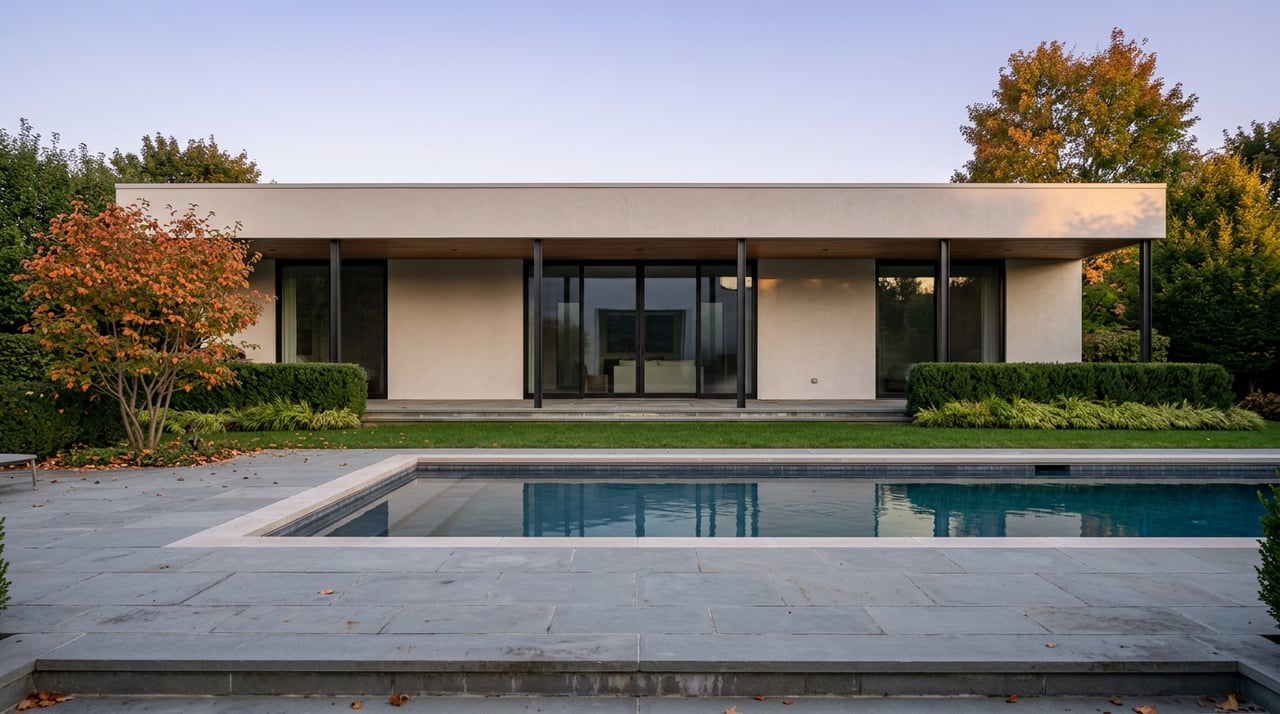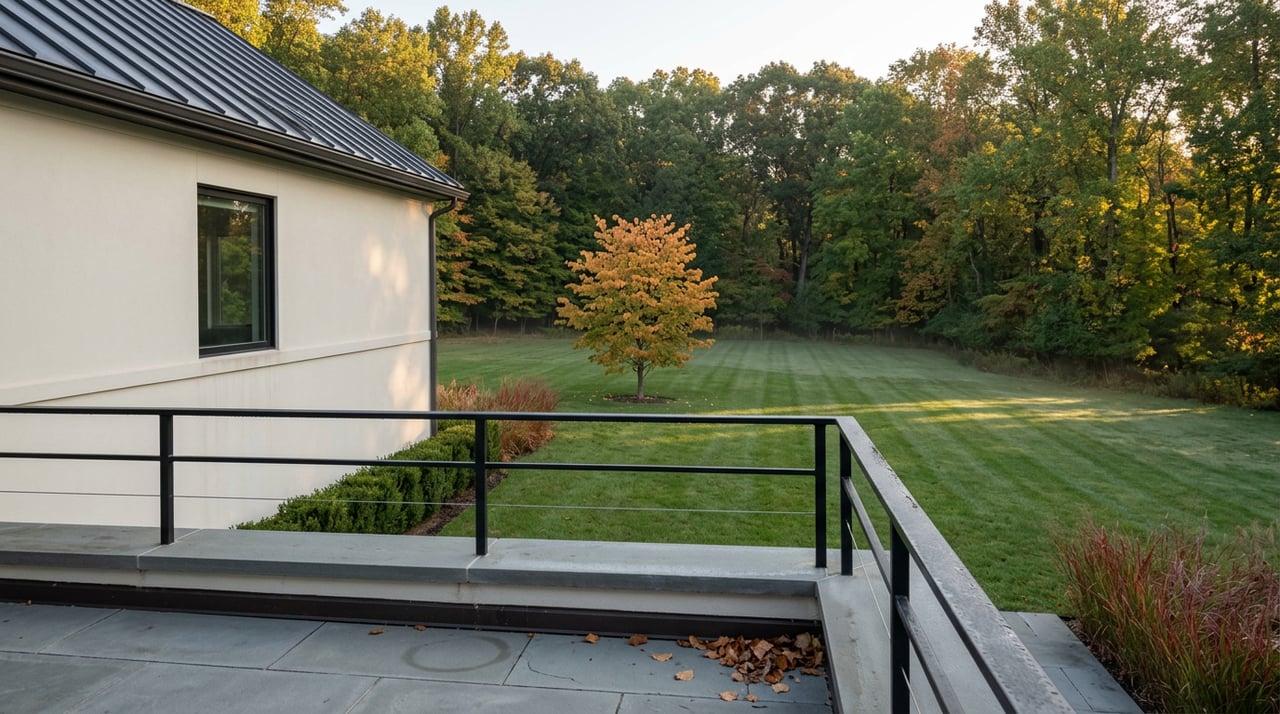

Pricing a one-of-a-kind home can feel like walking a tightrope. Set it too high and you risk sitting on the market. Set it too low and you leave money on the table. If you are selling a luxury property in Weston, you need more than a rule of thumb. You need a precise, data-led plan that reflects how affluent buyers actually shop and what the market will support today. In this guide, you will learn how top agents define “luxury” in Weston, build a defensible comp set, read micro-market signals, and use Compass technology to price with confidence. Let’s dive in.
Why Weston pricing is different
Weston sits among Greater Boston’s most desirable suburbs for high-end buyers. Affluent households value privacy, larger lots, and thoughtfully designed homes that balance convenience with a serene setting. Proximity to Boston and Cambridge, along with major employment centers, shapes buyer trade areas and search behavior. For local context and town resources, start with the official Town of Weston site.
Commute access plays a real role. Easy connections to I-95/Route 128 and nearby commuter rail influence which neighborhoods see the most demand in a given season. Buyers also compare Weston to nearby luxury alternatives such as Wellesley, Newton, Lincoln, Concord and parts of Needham. Your pricing must reflect both Weston comps and the active competition across these towns.
Many buyers consider public school data as one input in their decision process. For neutral, up-to-date information, use the Massachusetts Department of Elementary and Secondary Education for district-level facts and reports. For broader demographic context, the U.S. Census Bureau’s American Community Survey is a reliable source.
Define “luxury” with local thresholds
Luxury in Weston is best defined by the top slice of the local market rather than an absolute dollar number. A practical approach is to use percentiles:
- Pull the last 12 months of Weston single-family sales from MLS PIN.
- Identify the 90th or 95th percentile sale price to mark the luxury segment.
- Confirm that properties above the cutoff share similar characteristics such as acreage, square footage, and amenities.
Percentile-based segmentation keeps you aligned with real supply and demand. It also adjusts naturally through market cycles, which matters when prices shift.
Build the right comp set
Precision pricing starts with disciplined comparable selection and thoughtful adjustments. In Weston’s luxury tier, it is normal to blend a core set of in-town comps with a secondary set from nearby competitive markets, then weight them appropriately.
Time window that fits velocity
Use a 6 to 9 month window in fast markets and extend to 12 to 18 months when sales are sparse. If you stretch the timeframe, apply market timing adjustments so older comps reflect today’s conditions.
Match like with like
Compare estate parcels to estate parcels, new custom construction to new custom construction, and renovated historic homes to true peers. Mixing types without careful adjustments produces misleading results, especially when lot privacy, architecture, or systems quality diverge.
Adjustments that matter most
Work from a structured adjustment framework. Focus on:
- Site and lot: acreage, privacy, topography, frontage, and orientation.
- Location: micro-neighborhood character, distance to town conveniences, and street presence.
- Structure: net living area, plan functionality, number of full baths, ceiling heights, and primary suite quality.
- Condition and systems: level of finishes, recent renovations, and major system updates.
- Amenities: pool, guest house or ADU, finished lower level, garage count, outdoor living, landscaping.
- Extraordinary items: notable design pedigree, historic significance, or rare views.
- Market timing: seasonality and appreciation or softening across the periods.
Use paired sales to estimate local adjustment ranges rather than universal dollar figures. Finished lower levels often add value at a lower rate than above-grade space, pools and guest houses often carry meaningful premiums, and privacy can drive outsized differences. When a property is truly unique, cross-check your pricing with a certified appraiser who knows Weston’s high end.
Read the micro-market inside Weston
Micro-markets matter. Town center proximity, estate neighborhoods with larger parcels, and streets that border neighboring towns can each command different pricing. Privacy and topography add another layer, since buyers will pay up for a quiet site that feels like a retreat.
Track conditions by price band so you see where buyers are most active. Indicators to monitor include:
- Active inventory and months of supply in the luxury tier
- Days on market for recent sales versus current listings
- Sale-to-list ratios in your price band
- New construction pipeline that may compete with resale homes
Public records can help you understand parcel scale and land characteristics. The Town of Weston provides assessor and GIS resources you can consult for lot data.
For broader market context, periodic reports from the Massachusetts Association of Realtors are useful references.
Understand your buyer pool and financing
Knowing who will buy your home and how they will pay informs both pricing and your launch strategy.
- Buyer types: Local move-up families, executives and professionals tied to Boston and Cambridge, and relocators seeking space and privacy. Some international or second-home interest exists, though most buyers are primary occupants.
- What they value: Layout quality, turnkey condition, and strong systems often outweigh a simple price-per-square-foot comparison. Outdoor living and guest accommodations can be decisive.
- Financing patterns: Jumbo loans are common and can introduce longer underwriting timelines and appraisal requirements. Cash purchases are more prevalent at the top end than in the broader market, but they vary listing to listing. Appraisal risk is a key consideration when comps are thin or the property is highly unique.
A practical pricing and launch plan
Here is a step-by-step roadmap you can use with your agent to arrive at a defensible list price and a strong market debut.
1) Pre-listing analysis
- Market snapshot: Pull a 12-month view of Weston’s luxury band, including the 90th or 95th percentile price, inventory, months of supply, and days on market.
- Comparable worksheet: Select 3 to 6 primary Weston comps and 2 to 4 secondary comps from the competitive set. Document adjustments and weighting.
- Sensitivity scenarios: Model aggressive, market-rate, and conservative list prices with projected days on market and expected net proceeds.
2) Price to buyer visibility
Search filters often cluster buyer activity at psychological thresholds such as 1.5 million, 2 million, and 3 million. Consider how small movements across a threshold can expand or shrink your audience. If the market will support it, position just below a common cutoff to boost visibility in saved searches.
3) Reduce friction with documentation
Have a pre-inspection, systems documentation, and recent service invoices ready. Clear disclosures help justify your price and keep negotiations focused on value, not uncertainty.
4) Elevate presentation
Invest in staging, strategic landscaping touch-ups, and best-in-class visuals. Twilight photography, drone imagery for estate parcels, and detailed floor plans help buyers understand scale and setting online. That understanding supports your price.
5) Targeted early exposure
Reach out to top local agents and qualified buyers who lost out on similar homes. Private previews can capture high-intent interest before you accumulate days on market. This is also the moment to tune messaging around your property’s unique story.
Monitor, learn, and adjust
Your first two weeks provide essential signal. Track:
- Showings per week and inquiry volume
- Offer count and terms, including financing and contingencies
- Days on market relative to similar active listings
- Price changes in competing inventory
Set a planned review date to compare actuals to your launch plan. If showings are strong but offers lag, refine the story or make a modest price adjustment. If engagement is slow, revisit your comp set and position.
How Compass Insights supports precision
Brokerage analytics do not replace local expertise, but they sharpen it. With Compass tools, you can pull neighborhood trend dashboards, comp filters with feature weighting, buyer-origin heatmaps, and search-filter analytics that reveal how many buyers are shopping for your specific amenities and price band.
- Neighborhood trends help you choose the right time window for comps.
- Buyer-origin data focuses your marketing on the zip codes most likely to convert.
- Custom seller reports present pricing scenarios clearly so you can make decisions with confidence.
Learn more about the platform at Compass and explore high-level product updates on Compass News. Always pair tool output with raw MLS data and on-the-ground knowledge.
Pitfalls to avoid in Weston luxury pricing
- Over-relying on price per square foot without normalizing for finishes, lot quality, and amenities.
- Using comps from other towns without careful adjustments for school districts, lot scale, and buyer perception.
- Ignoring buyer pool size at your price band. A smaller pool requires tighter positioning and stronger storytelling.
- Underestimating appraisal risk on unique properties. Price with support from comps and, when needed, an experienced appraiser.
- Launching with insufficient marketing reach. High-end buyers often surface through private networks as well as public portals.
What you gain with a white-glove approach
You deserve a pricing process that blends data, discretion, and premium marketing. A full-service team pairs local authority with polished execution: rigorous comp analysis, scenario planning, staging, cinematic media, strategic outreach, and Compass-enabled analytics that target the right buyers. The result is a confident list price, a smooth process, and the widest possible reach for your property’s story.
Ready to price and launch with precision in Weston? Connect with The Shulkin Wilk Group for a tailored plan built on data, market insight, and white-glove service.
FAQs
How do you define “luxury” when pricing a Weston home?
- We segment by local percentiles, typically the top 5 to 10 percent of Weston sales over the last 12 months, then confirm that homes above the cutoff share similar attributes.
What data sources support a Weston luxury pricing analysis?
- Core inputs include MLS sales and actives, parcel details from the Town of Weston, demographic context from the American Community Survey, and trend reports from the Massachusetts Association of Realtors.
Do school districts affect what my Weston home can command?
- Many buyers consider school information as part of their decision; for neutral facts and reports, consult the Massachusetts Department of Elementary and Secondary Education.
How do you handle appraisal risk on a unique luxury property?
- We price with a documented comp set and paired-sale adjustments, then validate with a local certified appraiser when needed to support value through underwriting.
Should I list just below a round number to reach more buyers?
- Often yes, since buyer searches cluster at common thresholds; your exact price point depends on comp support, your home’s features, and where search filters concentrate demand.
What is Compass Insights and how does it help my sale?
- Compass analytics provide neighborhood trends, buyer-origin heatmaps, and comp weighting tools that sharpen pricing and targeting, which we combine with MLS data and local expertise.