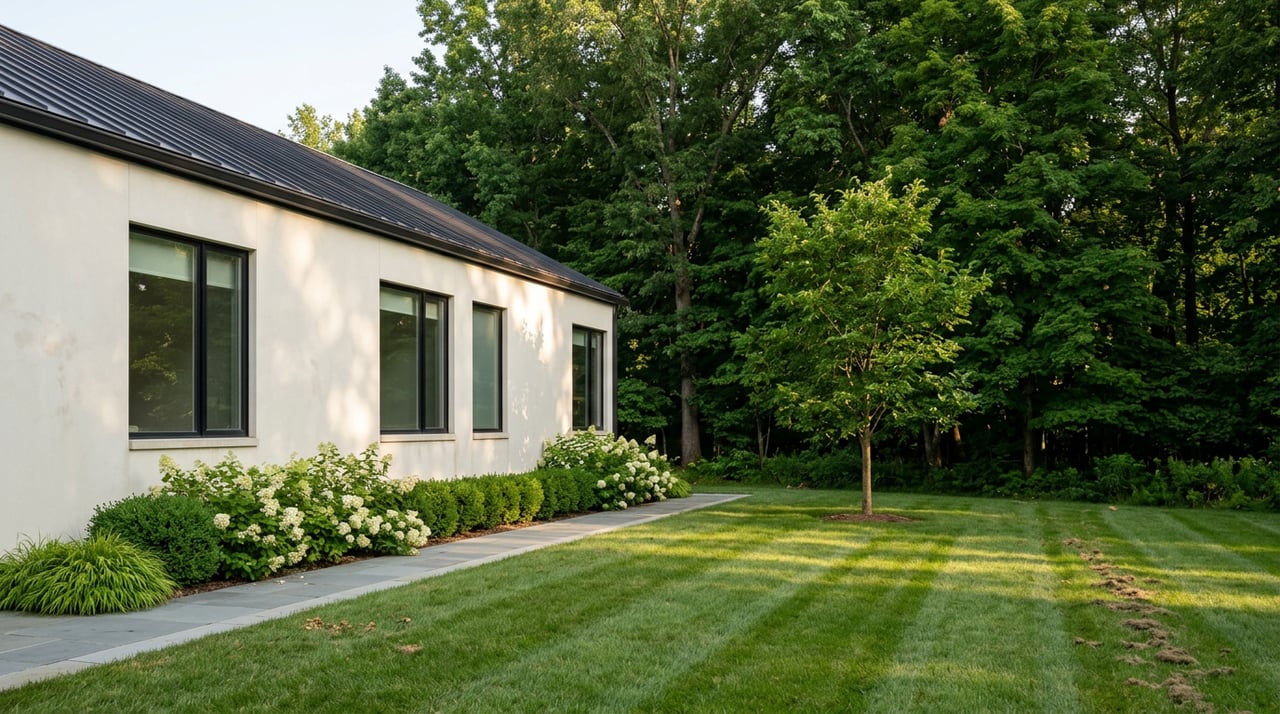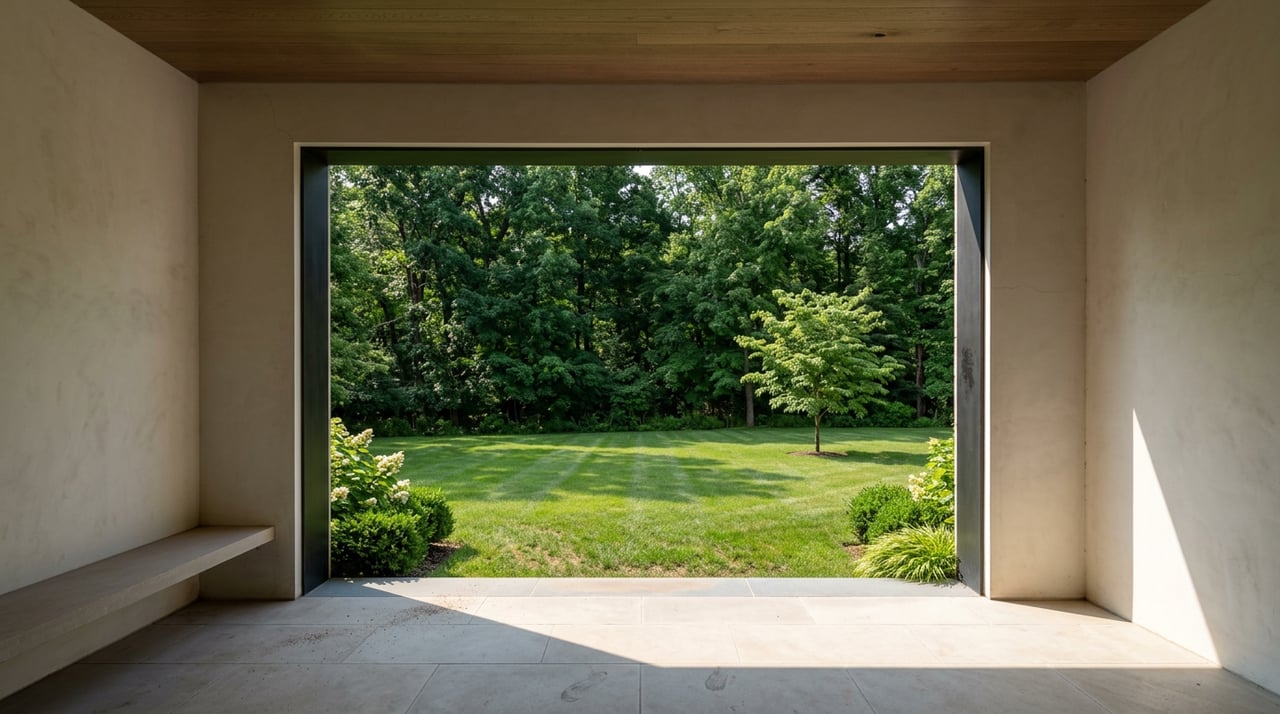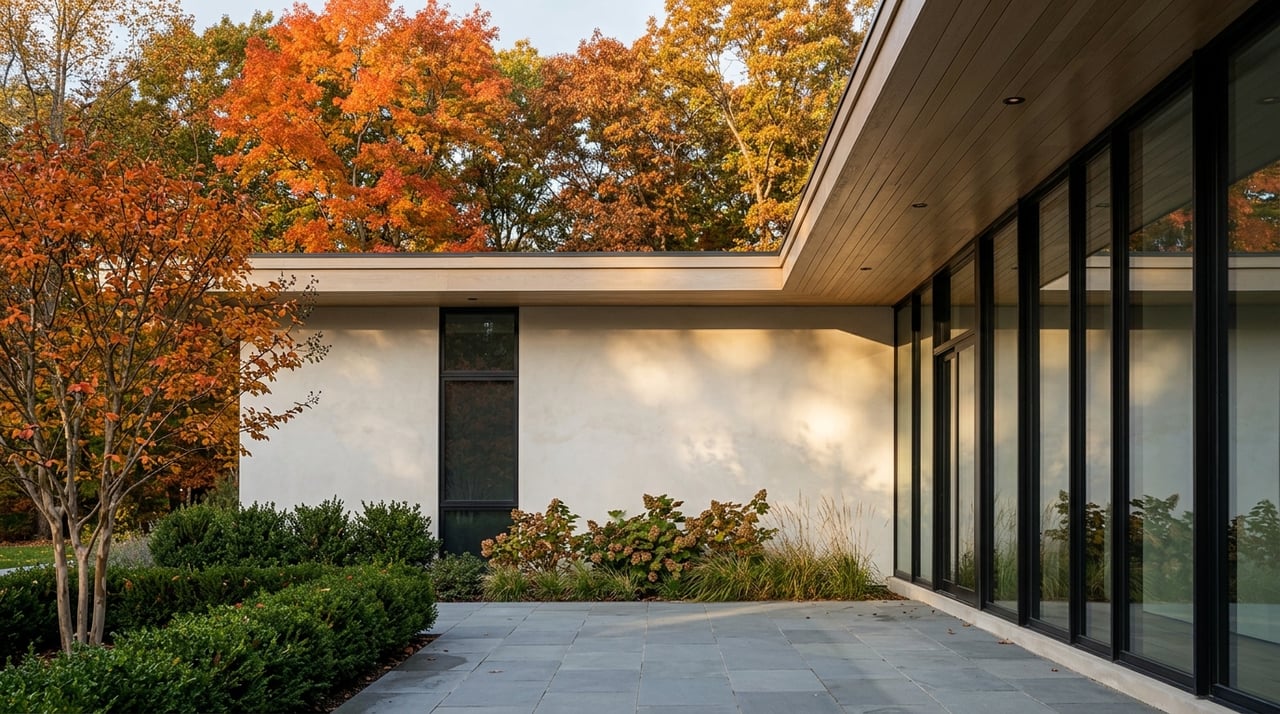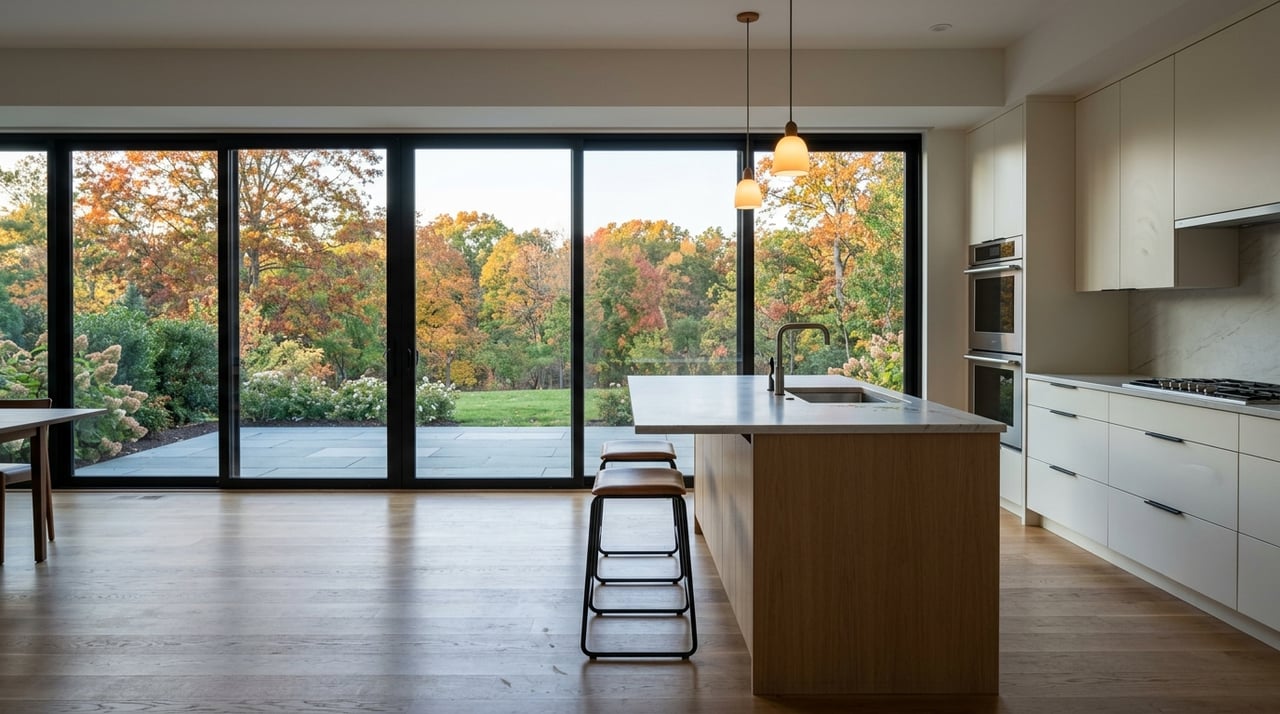
If you are watching Westwood real estate, you may have noticed something important: “new construction” here usually does not mean a brand-new subdivision. In a built-out town with an older housing stock, many of Westwood’s newest homes are coming from tear-downs, rebuilds, infill lots, and redevelopment of existing sites. That can make the market feel harder to read, especially if you are buying, selling, or trying to understand how a newer home fits into the broader pricing picture. In this guide, you will get a clear look at where new construction is showing up in Westwood, what these homes tend to look like, and what the trend may mean for your next move. Let’s dive in.
Why Westwood Favors Rebuilds
Westwood is a mature suburb about 12 miles southwest of Boston, with commuter rail access on two lines and MBTA bus service on Routes 1 and 1A. The town also has a high owner-occupied rate of 87.3%, and Census QuickFacts puts the median value of owner-occupied homes at $1,041,500. Those numbers help explain why demand for housing remains strong.
The local housing supply tells the bigger story. Westwood’s housing production plan says the town had about 5,657 housing units in 2020, and nearly three-quarters of them were single-family homes. The same plan notes that most homes were built before 1940, so much of the town’s housing stock is older.
Land availability is another major factor. According to the town, roughly 80% of Westwood’s land area is already developed or conserved. That means future housing growth often comes from reuse, infill, and teardown or rebuild activity rather than large untouched parcels.
Where New Construction Is Appearing
Established Residential Streets
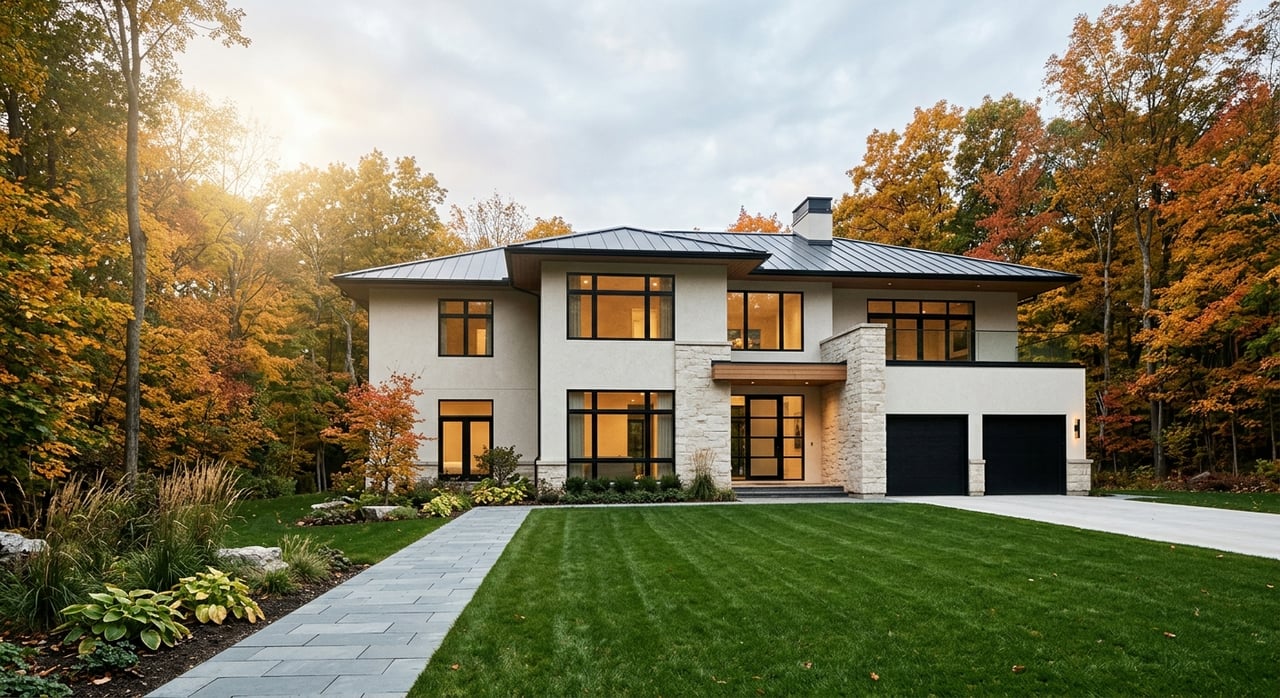
In many parts of Westwood, new construction is appearing one property at a time on existing streets. Current examples and recent sales point to larger custom homes on sizable lots, including homes on Kingswood Road, Fox Hill Street, Summer Street, and Blue Hill Drive. These are not signs of tract development. They reflect replacement housing and carefully placed infill.
A newer Colonial on Forest Road, described as being close to Islington Square, suggests another pattern: building within older neighborhoods rather than opening up entirely new areas. That matters if you are comparing a newly built home to nearby older properties, because the street may be established even when the house is not.
Dispersed Permit Activity
Recent permit reports from early 2026 support the same pattern. The town recorded new house construction or rebuild-related work on streets including Porter, Oak, Nahatan, Fairview, Whitewood, Smith, Pine, and Strafford. There was also an accessory dwelling unit application behind a two-family home.
Taken together, that points to a dispersed market. Instead of one or two large projects dominating supply, new homes are showing up across multiple neighborhoods through lot-by-lot redevelopment.
Route 1 and University Station Area
The strongest multifamily development cluster is different from the single-family rebuild story. In the Route 1 and University Station area, Westwood has rezoned land through the MUMFROD district, and the Planning Board approved the first MBTA communities housing project at 22 Everett Street with 160 units. The town later expanded the district to meet Section 3A requirements.
This is an important distinction. If you are talking about single-family new construction in Westwood, the pattern is usually rebuilds and infill. If you are talking about multifamily growth, the activity is more closely tied to corridor redevelopment and conversion of existing properties.
Why Large Subdivisions Are Rare
Westwood zoning helps explain why the town does not often see broad new-home subdivisions. Residential districts include minimum lot sizes ranging from 12,000 square feet in SRA to 80,000 square feet in SRE, along with frontage requirements from 90 to 175 feet and front setbacks from 25 to 40 feet.
The town’s housing plan also notes that the largest-lot districts include significant wetlands and that most parcels with subdivision potential have already been used. In simple terms, the rules and the land itself both limit where large-scale new development can happen.
That is why the local new construction story is less about opening whole new neighborhoods and more about replacing older homes, adding to existing ones, or reusing sites that are already part of the built environment.
What Westwood New Homes Look Like
Bigger Footprints
One of the clearest trends is size. Current new-build examples range from about 3,482 to 7,200 square feet. In the sample from current listings, new builds average about 5,271 square feet, compared with about 2,080 square feet for the non-new-build sample.
That means the typical new home in Westwood is not just a newer version of the town’s older housing stock. It is often a substantially larger property with a very different layout and level of finish.
Modern Layouts and Amenities
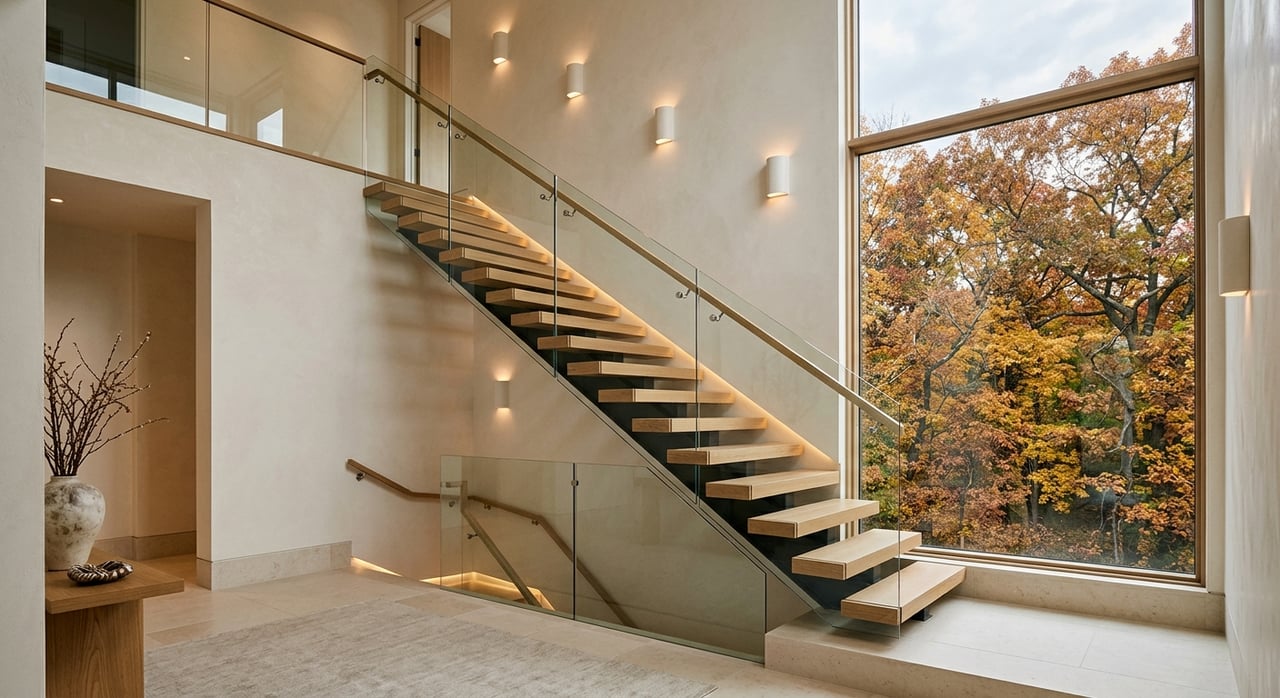
Many of today’s new homes in Westwood share similar features. Listing descriptions often mention open floor plans, chef’s kitchens, premium appliances, custom cabinetry, butler’s pantries, first-floor studies or guest rooms, finished walk-out lower levels, and primary suites with walk-in closets and spa-style baths.
This layout difference matters just as much as the square footage. Older homes in Westwood often offer three bedrooms, fewer bathrooms, and more compact main living spaces. New homes are more likely to include home offices, larger mudrooms, guest suites, and multiple finished living areas.
Large-Lot, Custom-Home Feel
Exterior details also reinforce the custom-home pattern. Current listings highlight private cul-de-sacs, one-acre-plus lots, deck space, landscaped yards, and two- or three-car garages. That combination gives many new Westwood homes a private, estate-style feel, even when they are located on long-established streets.
How New Construction Compares on Price
Westwood’s broader market already sits at a high level, but new construction pushes well above it. Realtor’s April 2026 market summary shows a median listing price of $1,324,500 and a median sold price of $977,500. In that same snapshot, Westwood had 29 active listings.
Realtor’s new-construction page showed four new-build listings with a median listing price of $1,464,500. That is about 10.6% above the broader median listing price and about 49.8% above the broader median sold price. New construction also represented about 13.8% of active listings in that snapshot, which shows how limited this segment can be.
The listing-level comparison makes the gap even easier to see. A current sample of existing homes ranged from about 1,484 to 2,734 square feet and from $899,900 to $1,295,000. By contrast, current new-build examples ranged from 3,482 to 7,200 square feet and from $1,785,000 to $4,575,000.
What This Means for Buyers
If you are buying in Westwood, new construction may offer the features many people want most: larger living spaces, newer systems, more bathrooms, flexible rooms, and a more current floor plan. But those benefits usually come with two trade-offs: limited inventory and a noticeable price premium.
Because Westwood is already largely built out, the town’s planning documents suggest that future housing growth will continue to come mainly from teardown and rebuild activity, accessory dwelling units, and corridor redevelopment. That means you may not see a large wave of new single-family supply anytime soon.
For many buyers, the key question becomes value rather than novelty alone. You may be weighing whether a premium for newer construction makes sense for your timeline, renovation tolerance, and space needs. In a town like Westwood, that is often a very personal calculation.
What This Means for Sellers
If you own an older home in Westwood, new construction nearby can shape expectations in important ways. Even a small number of newer homes can influence how buyers think about price, condition, and potential on a given street.
That does not mean every older home should be compared directly to a new build. The size, finish level, and layout are often very different. But it does mean pricing strategy needs to account for the gap between updated or rebuilt homes and the broader existing-home market.
For some sellers, the presence of rebuild activity can also highlight the land and long-term potential of a property. In areas where replacement housing is already happening, buyers may look at a home not only as it exists today, but also in terms of future expansion or redevelopment possibilities allowed by local rules.
The Growing ADU Story
Accessory dwelling units are another part of Westwood’s infill and rebuild trend. The town allows one ADU per lot by right in residential districts, generally limits ADUs to 500 to 900 square feet, and waives extra parking within a half mile of a commuter rail or bus station.
Westwood’s 2025 housing plan says the town has more than 60 approved ADUs and removed its previous 2% cap at the May 2025 Annual Town Meeting. While ADUs are different from ground-up luxury construction, they are still part of the same broader story: in a built-out community, housing growth often happens through smaller, site-specific changes.
Reading the Westwood Market Clearly
Westwood new construction is best understood as a market of selective reinvention. Most of the town’s newest homes are not appearing in brand-new subdivisions. They are showing up through one-off custom builds, rebuilds on established streets, accessory units, and redevelopment in targeted areas like the Route 1 corridor.
If you are buying, that means new construction can deliver space and modern design, but inventory is limited and pricing is typically well above much of the existing stock. If you are selling, it means nearby new builds can influence buyer expectations and make sharp, data-driven positioning even more important.
If you are considering a move in Westwood, working with a team that understands how rebuilds, infill, and pricing trends interact can make the process much clearer. The Shulkin Wilk Group brings a polished, high-touch approach to buyer and seller representation, with local insight and thoughtful strategy tailored to your goals.
FAQs
What does new construction usually mean in Westwood, MA?
- In Westwood, new construction often means teardown and rebuild projects, infill homes on existing lots, or redevelopment of existing properties rather than large new subdivisions.
Where are new homes being built in Westwood, MA?
- New homes are appearing on established residential streets across town, while larger multifamily development is more concentrated in the Route 1 and University Station area.
Why are large subdivisions uncommon in Westwood, MA?
- Westwood is largely built out, about 80% of its land area is already developed or conserved, and local zoning includes substantial lot size, frontage, and setback requirements.
Are Westwood new construction homes larger than older homes?
- Yes. In the current sample from the research, new-build homes averaged about 5,271 square feet versus about 2,080 square feet for the non-new-build sample.
Do new construction homes cost more in Westwood, MA?
- Yes. In the April 2026 snapshot, the median listing price for new construction was $1,464,500, which was above both the townwide median listing price and the median sold price.
How do ADUs fit into Westwood housing trends?
- ADUs are part of Westwood’s infill growth pattern. The town allows one ADU per lot by right in residential districts, and its 2025 housing plan reported more than 60 approved ADUs.