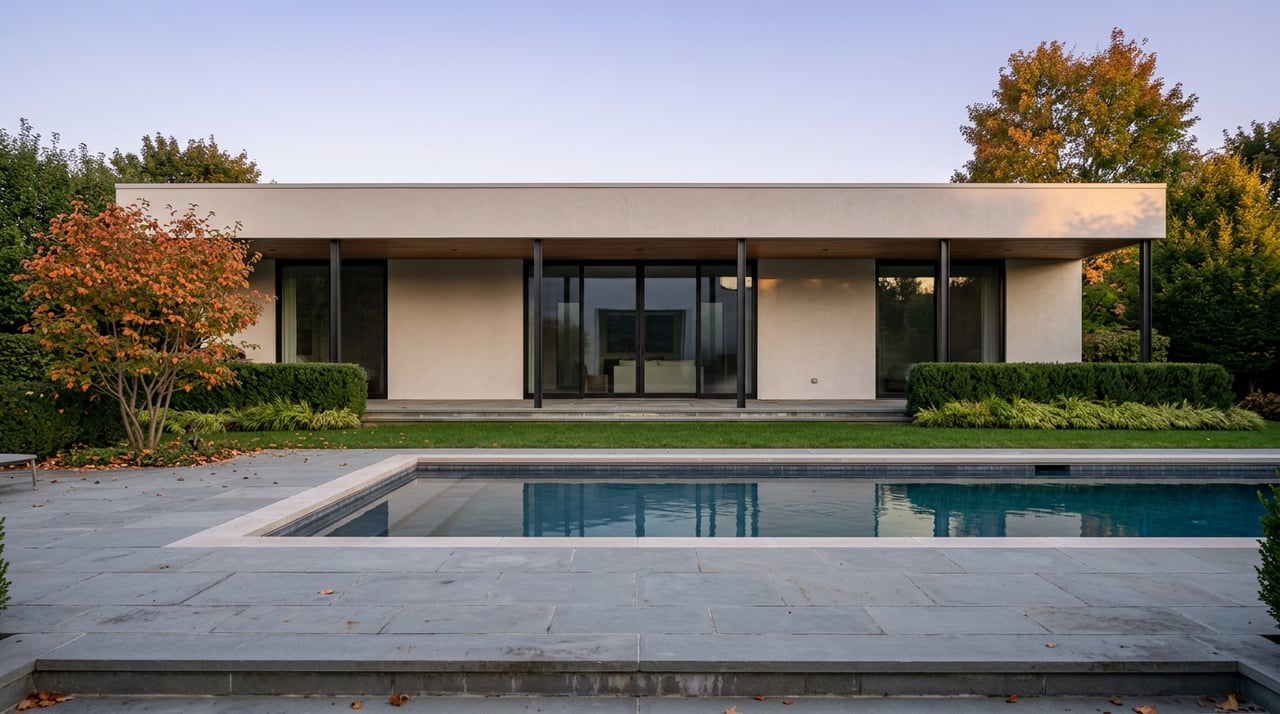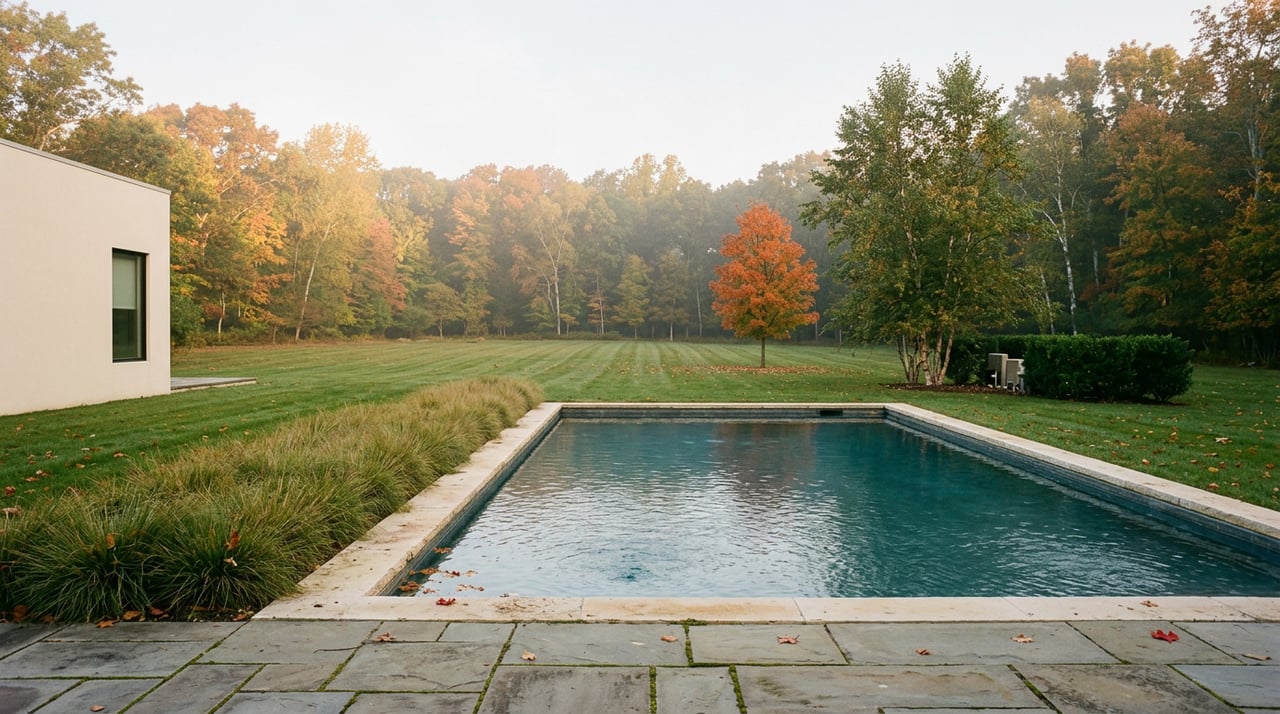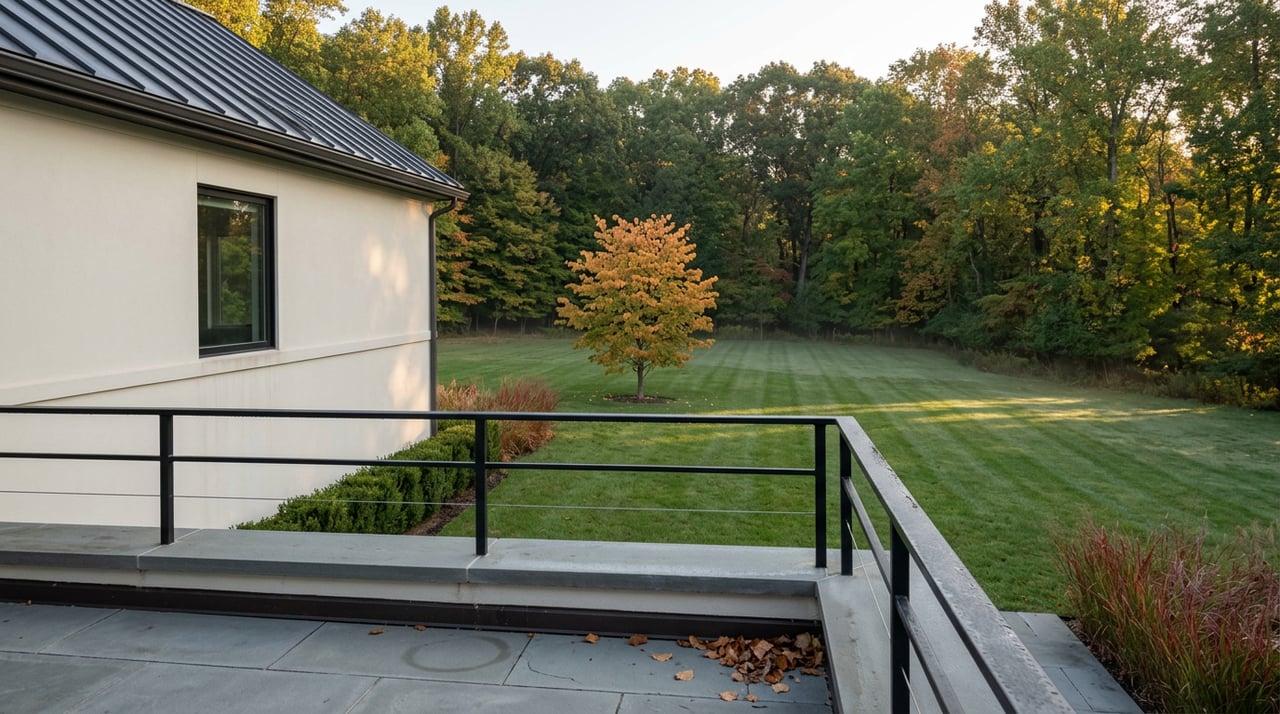
If you are drawn to suburban life but do not want a one-size-fits-all town, Westwood deserves a closer look. This Boston-area suburb offers more variety than many buyers expect, with village-style pockets, quieter residential sections, and a mixed-use district that can feel very different from traditional single-family living. If you are trying to figure out where you might fit best, this guide will help you compare Westwood’s lesser-discussed micro-areas and the lifestyle tradeoffs that come with each. Let’s dive in.
Why Westwood Feels More Varied Than Expected
Westwood is not just one neighborhood story. According to the Town of Westwood, the town has about 16,266 residents and sits roughly 12 miles southwest of Boston at the junction of Route 95/128 and I-93, with two commuter rail lines and MBTA bus routes 1 and 1A along Washington Street.
That location gives you a useful mix of suburban space and regional access. Westwood also points to village-oriented commercial areas on High Street and in Islington, along with the mixed-use University Station district and a broad range of recreation and community services, which helps explain why the town can appeal to different types of buyers.
Town planning materials reinforce this idea. Westwood is best understood through its village centers and residential pockets, not as a town with one universal “best” neighborhood for everyone. You are really choosing between different daily routines, housing types, and levels of convenience.
Westwood Housing at a Glance
Before narrowing in on specific areas, it helps to understand the big picture. Westwood’s housing stock is still heavily single-family, with housing.ma reporting that 83.78% of housing units are single housing units.
The housing age mix also tells an important story. A large share of homes were built from 1940 through 1979, with a smaller but meaningful share built before 1939 and a more limited number built after 2000. In practical terms, that means many buyers in Westwood are looking at mid-century or later single-family homes, with some older properties mixed into long-established corridors.
For price context, U.S. Census QuickFacts lists the median value of owner-occupied housing units at $985,800 for 2019 through 2023. More current market references in the research place Westwood around the upper tier of Greater Boston suburbs, with townwide home values and sale prices generally hovering near the low-$1.2 million range.
University Station for Low-Maintenance Living
If your top priority is convenience and lower-maintenance ownership, University Station stands out. The town describes it as a 2.3 million-square-foot mixed-use district with retail, office, and residential uses near Route 128 station, making it a distinct pocket rather than a conventional neighborhood.
This area offers one of the clearest entry points into Westwood for condo buyers. Based on the research provided, recent condo examples range from the high $500,000s into the high $800,000s, which is notably different from the single-family pricing seen across many other Westwood micro-areas.
For commuters, this location is especially practical. The Town of Westwood overview highlights the town’s transit access, and Amtrak identifies Route 128 as an Amtrak and MBTA station in Westwood at 50 University Avenue.
Who University Station May Suit Best
University Station may be worth a closer look if you want:
- Condo ownership instead of a larger yard
- Easier access to rail and major roads
- A more lock-and-leave lifestyle
- Proximity to a mixed-use district rather than a traditional village center
For some buyers, especially relocators or those downsizing from a larger home, that tradeoff makes a lot of sense. You may give up the classic feel of a detached single-family setting, but you gain simplicity and access.
Islington for Village-Style Walkability
If you picture suburban life with a compact, more pedestrian-oriented feel, Islington is one of Westwood’s most interesting options. Westwood’s own materials treat Islington as one of the town’s village centers, and the Islington Center redevelopment work has focused on keeping the area compact and walkable.
In market terms, Islington sits around a median real estate price of about $1.295 million in the research provided. Housing is described as mostly medium-to-large single-family homes, along with some apartment or high-rise product, and much of the housing stock dates from 1940 to 1969, with additional homes from 1970 to 1999.
That gives Islington a useful middle ground. You can still find the suburban single-family format many buyers want, but in a part of town that feels a bit more anchored by a village center than some quieter residential sections.
Why Buyers Gravitate to Islington
Islington often appeals to buyers who want:
- A more walkable day-to-day setting
- A village-center feel without leaving Westwood
- Mostly single-family housing with some variety in product type
- A balance of access and neighborhood identity
If you are comparing Westwood to more uniformly spread-out suburbs, Islington helps show why the town can feel more nuanced than expected.
Town Center and High Street for Civic-Core Charm
For buyers who want to feel connected to the town’s civic and retail heart, the Town Center and High Street corridor deserve attention. The Town of Westwood notes that High Street includes Town Hall, the Main Library, a fire station, the police department, and one of the town’s key shopping areas.
This is one of the best examples of how Westwood blends suburban character with a central core. In the research provided, Westwood Town Center carries a median real estate price of about $1.267 million, with mostly older single-family housing and some apartment or high-rise product. Much of the stock was built from 1940 to 1969, with a smaller share built before 1940.
What makes High Street especially interesting is its variety. Property examples in the research range from an older three-bedroom home sold for $620,000 to homes valued or sold at $1.35 million, $1.875 million, and more than $2.2 million. That wide span suggests the corridor is less about one fixed price point and more about differences in age, lot size, updates, and home style.
What to Expect Along High Street
If you search this part of Westwood, you may find:
- Older homes with more historic character
- Mid-century homes with renovation potential or updates
- A broader price range than many buyers assume
- Closer proximity to civic services and shopping
For future suburbanites, this can be a strong fit if you want a central location and appreciate that not every home in town looks or lives the same way.
Westwood North for More Space and Quiet
If your ideal suburb leans quieter, more residential, and less village-like, Westwood North may be the strongest match. In the research provided, this area is described as more rural in feel than the village centers, with mostly medium-to-large single-family homes.
Westwood North carries a median real estate price of about $1.246 million in the supplied data. Housing here includes many homes built from 1970 to 1999, along with a meaningful share from 1940 to 1969.
For some buyers, that housing mix is a plus. You may find homes that align more closely with the classic “space-oriented suburb” search, especially if your priority is a quieter setting over walkability to a village center.
Why Westwood North Stands Out
Westwood North may be a better fit if you want:
- A more space-oriented residential feel
- Mostly single-family housing
- A quieter setting than village-centered areas
- A suburban experience that feels less compact
This is the side of Westwood that often speaks to buyers who are leaving denser neighborhoods and want a clearer sense of separation and privacy in their next move.
How to Think About the Tradeoffs
The most helpful way to evaluate Westwood is not by asking which area is best. It is by asking which lifestyle tradeoff fits you best.
Here is a simple way to frame it:
| Westwood area | Best known for | General housing pattern | Price context in research |
|---|---|---|---|
| University Station | Lower-maintenance living | Condos in a mixed-use district | Roughly high $500Ks to high $800Ks |
| Islington | Village-style walkability | Mostly single-family, some multifamily product | About $1.295M median |
| Town Center / High Street | Civic-core access and variety | Older single-family homes with some multifamily product | About $1.267M median, with wide corridor variation |
| Westwood North | More space and quiet | Mostly single-family homes | About $1.246M median |
This framework works especially well for early-stage buyers. Instead of treating Westwood as one monolithic suburb, you can match your search to the lifestyle you actually want.
A Note on Schools and Search Strategy
If schools are part of your home search, it is important to stay address-specific. Westwood Public Schools says the district includes an integrated preschool, five K-5 elementary schools, one middle school, and one high school, serving about 3,000 students.
At the same time, the town’s broader overview presents a different elementary school count, so the safest path is to use the district’s Find your elementary school tool. In practice, that means you should avoid assuming a whole neighborhood maps neatly to one elementary school, since assignment is street-specific.
Why Westwood Works for Future Suburbanites
Westwood can be compelling if you want options within one town. You can focus on village-style living in Islington, civic-core convenience near High Street, quieter single-family settings in Westwood North, or lower-maintenance condo living at University Station.
That flexibility is part of what makes Westwood worth a closer look for buyers moving out from Boston or trading one suburban lifestyle for another. You are not just picking a town. You are choosing a daily rhythm, a housing format, and a level of convenience that fits the way you want to live.
If you want help comparing Westwood’s micro-areas and finding the right fit for your next move, The Shulkin Wilk Group can help you navigate the search with local perspective, clear strategy, and a high-touch approach.
FAQs
What are the main neighborhood-style areas to know in Westwood, MA?
- The most useful micro-area labels in current data are Islington, Town Center, Westwood North, and the mixed-use University Station district.
Which Westwood area may be best for condo buyers?
- University Station is the clearest option for buyers seeking lower-maintenance condo living, with recent examples in the research ranging from the high $500,000s to the high $800,000s.
Which Westwood area feels most walkable?
- Islington is the strongest fit for buyers looking for a more compact, village-style setting with a pedestrian-oriented feel.
Which Westwood area may offer a quieter suburban feel?
- Westwood North is generally the best match for buyers who want a more space-oriented, less village-like residential setting.
How expensive is housing in Westwood, MA?
- The research places Westwood in the upper-price tier of Greater Boston suburbs, with many single-family micro-areas around the mid-$1.2 million range and some condo options at University Station starting in the high $500,000s.
How should you verify school assignment in Westwood, MA?
- Because elementary assignment is address-specific, the safest option is to use the Westwood Public Schools Find your elementary school tool for any property you are considering.